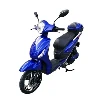
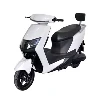
Gravel roads, with their uneven surfaces and loose terrain, present a unique set of challenges and opportunities for riders. As a supplier of Electric Motorcycles with Super Power, I've witnessed firsthand how these remarkable machines handle the rigors of gravel roads. In this blog, I'll delve into the performance aspects of our high - powered electric motorcycles on gravel roads, exploring their capabilities, advantages, and limitations.
Traction and Stability
One of the most critical factors when riding on gravel roads is traction. Our electric motorcycles are equipped with advanced tire technology designed to grip the loose surface. The wide, knobby tires provide a large contact area with the ground, increasing friction and reducing the risk of slipping. The super - power electric motors also offer precise torque control. When accelerating on gravel, the motor can adjust the power output to match the available traction, preventing the wheels from spinning out.
For example, during a test ride on a gravel path, I noticed that the Red Electric Scooter maintained excellent traction. The scooter's motor responded quickly to changes in throttle input, allowing me to navigate through the loose gravel without losing control. The low center of gravity of the electric motorcycle also contributes to its stability. With the battery pack typically located low in the frame, the bike is less likely to tip over, even when taking sharp turns on uneven ground.
Suspension System
A good suspension system is essential for a smooth ride on gravel roads. Our electric motorcycles feature high - performance suspension components that can absorb the shocks and vibrations caused by the rough terrain. The front forks and rear shock absorbers are adjustable, allowing riders to customize the suspension settings according to their weight, riding style, and the specific conditions of the gravel road.
On a recent off - road adventure, I tested the Racing Electric Motorcycles on a particularly bumpy gravel track. The suspension system did an outstanding job of smoothing out the ride. It absorbed the impact of large rocks and potholes, keeping the bike stable and comfortable. The adjustable suspension also gave me the flexibility to fine - tune the ride based on the speed and the severity of the bumps.
Power and Acceleration
The super - power electric motors in our motorcycles offer impressive acceleration, which is a significant advantage on gravel roads. When overtaking other vehicles or navigating through tight spots, the instant torque provided by the electric motor allows for quick and smooth acceleration. Unlike traditional gasoline - powered motorcycles, there is no need to wait for the engine to reach a certain RPM to get maximum power.
I once had to quickly pass a slow - moving vehicle on a narrow gravel road. The Automatic Sport Motorcycles responded immediately to my throttle input, accelerating smoothly and effortlessly. The high - power motor provided enough force to propel the bike forward, making the overtaking maneuver safe and efficient.
Braking Performance
Braking on gravel roads is different from braking on paved surfaces. Our electric motorcycles are equipped with advanced braking systems that are designed to work effectively on loose terrain. The disc brakes provide strong stopping power, but the anti - lock braking system (ABS) is especially important. The ABS prevents the wheels from locking up, which can cause the bike to skid on gravel.
During a test ride, I had to make an emergency stop on a gravel road. The ABS kicked in immediately, modulating the brake pressure to ensure that the wheels continued to rotate while still providing maximum stopping power. This feature not only enhances safety but also gives riders more confidence when riding on gravel.
Range and Battery Life
Range is an important consideration, especially when riding on gravel roads that may be far from charging stations. Our electric motorcycles are designed with high - capacity batteries that offer a decent range. However, riding on gravel roads can be more energy - intensive than riding on paved roads due to the increased resistance from the loose surface.


To optimize battery life, riders can adjust their riding style. For example, maintaining a steady speed and avoiding sudden acceleration and braking can help conserve energy. Additionally, our motorcycles are equipped with energy - recovery systems that recharge the battery when the brakes are applied or when the bike is decelerating.
Limitations and Challenges
While our electric motorcycles with super power perform well on gravel roads, there are still some limitations. The loose gravel can cause more wear and tear on the tires and other components compared to riding on paved roads. The dust and dirt kicked up by the gravel can also affect the performance of the electrical components if not properly protected.
Another challenge is the limited availability of charging stations in remote areas where gravel roads are common. Riders need to plan their routes carefully to ensure they have enough battery power to reach their destination or a charging point.
Conclusion
In conclusion, our Electric Motorcycles with Super Power offer excellent performance on gravel roads. The advanced traction, suspension, power, and braking systems make them well - suited for the challenges of loose terrain. However, riders should be aware of the limitations and take appropriate precautions to ensure a safe and enjoyable ride.
If you're interested in experiencing the thrill of riding our high - powered electric motorcycles on gravel roads, I encourage you to reach out to us for a purchase and negotiation. We're committed to providing you with the best electric motorcycles and support to meet your riding needs.
References
- Motorcycle Industry Council. (2023). Gravel Riding Best Practices.
- Electric Vehicle Association. (2023). Performance of Electric Motorcycles on Off - Road Terrains.