

Aerodynamics of Racing Electric Motorcycles
In the high - octane world of racing, every fraction of a second counts. When it comes to racing electric motorcycles, aerodynamics plays a crucial role in determining speed, efficiency, and overall performance. As a leading supplier of Racing Electric Motorcycles, we understand the significance of aerodynamics and how it can be optimized to gain a competitive edge.
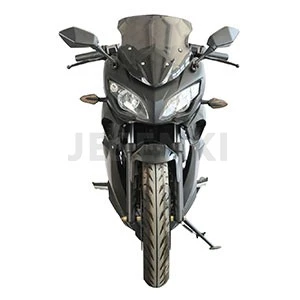

The Basics of Aerodynamics
Aerodynamics is the study of how air moves around objects. In the context of racing electric motorcycles, the main goal is to reduce drag and increase downforce. Drag is the force that opposes the motion of the motorcycle through the air, while downforce is the force that presses the motorcycle onto the track, improving traction and stability.
The shape of the motorcycle body is the primary factor affecting aerodynamics. A sleek, streamlined design can significantly reduce drag. For example, the bodywork should be smooth, without any sharp edges or protrusions that could disrupt the airflow. Many of our Wholesale Electric Motorcycles are designed with a focus on aerodynamic efficiency. The fairings are carefully crafted to redirect air around the motorcycle in the most efficient way possible.
Another important aspect is the rider's position. The rider is a significant part of the motorcycle - air system. A crouched position reduces the frontal area exposed to the oncoming air, thereby reducing drag. Our racing motorcycles are often equipped with adjustable handlebars and footrests to allow riders to find the most aerodynamic and comfortable riding position.
Drag Reduction
One of the key techniques for drag reduction in racing electric motorcycles is the use of a fully - enclosed fairing. This fairing covers most of the motorcycle's mechanical components, creating a smooth surface for the air to flow over. The fairing is designed to have a low - drag profile, with a rounded front that splits the air and tapers towards the rear.
The wheels also play a role in drag reduction. Spoked wheels can create a significant amount of drag due to the air turbulence they generate. In contrast, solid or carbon - fiber wheels have a smoother surface and can reduce drag. Our Sport Electric Motorcycle with Pedals System often features advanced wheel designs to minimize air resistance.
The intake and exhaust systems of the motorcycle need to be carefully designed as well. The intake should be positioned in a way that allows it to draw in clean air with minimal drag. The exhaust should expel the gases in a manner that does not create excessive turbulence. Some of our high - performance models use aerodynamically optimized intake and exhaust systems to improve overall efficiency.
Downforce Generation
While reducing drag is important, generating downforce is equally crucial for racing electric motorcycles. Downforce improves the grip between the tires and the track, allowing for higher cornering speeds and better braking performance.
One common way to generate downforce is through the use of spoilers and wings. Spoilers are typically placed at the rear of the motorcycle and work by disrupting the airflow and creating a low - pressure area behind the motorcycle, which in turn generates a downward force. Wings, on the other hand, are more complex aerodynamic devices. They are designed to create lift in the opposite direction, pressing the motorcycle down onto the track. Our Adult Fashion Sport Electric Motorcycle models may include carefully calibrated spoilers and wings to enhance downforce.
The shape of the motorcycle's underbody can also contribute to downforce generation. A flat underbody with side skirts can act as a venturi, accelerating the airflow beneath the motorcycle and creating a low - pressure area. This low - pressure area pulls the motorcycle down towards the track, increasing traction.
Impact on Energy Efficiency
Aerodynamics has a direct impact on the energy efficiency of racing electric motorcycles. By reducing drag, the motorcycle requires less energy to maintain a certain speed. This means that the battery can last longer, or the motorcycle can achieve higher speeds with the same amount of energy.
In a racing scenario, energy efficiency is not just about saving battery power. It also affects the overall strategy of the race. A more aerodynamic motorcycle can make fewer pit stops for battery charging, allowing it to stay on the track longer and gain a potential advantage over competitors.
The Role of Computational Fluid Dynamics (CFD)
To optimize the aerodynamics of our racing electric motorcycles, we rely on advanced computational fluid dynamics (CFD) simulations. CFD is a powerful tool that allows us to analyze the airflow around the motorcycle in a virtual environment. We can test different design concepts, modify the shape of the fairing, adjust the position of the rider, and evaluate the performance of various aerodynamic devices without having to build physical prototypes.
CFD simulations provide us with detailed information about the pressure distribution, velocity vectors, and drag coefficients. This data helps us make informed decisions about the design of our motorcycles, ensuring that they are as aerodynamically efficient as possible. Our engineers use this data to fine - tune the design of every component, from the smallest fairing detail to the overall shape of the motorcycle.
Real - World Testing
While CFD simulations are an essential part of the design process, real - world testing is equally important. We conduct extensive track tests with our Racing Electric Motorcycles to verify the performance of the aerodynamic designs. During these tests, we measure variables such as speed, acceleration, braking distances, and energy consumption.
We also collect data on the handling characteristics of the motorcycle under different conditions, such as high - speed straightaways and tight corners. This data allows us to make further adjustments to the aerodynamics, ensuring that the motorcycle performs optimally in all racing situations. Our Lightning Strike Electric Motorcycle has undergone numerous real - world tests to refine its aerodynamic performance.
Customization for Different Tracks
Not all racing tracks are the same. Some tracks have long straightaways where top speed is crucial, while others have multiple tight corners where handling and downforce are more important. As a result, we offer customization options for our racing electric motorcycles to optimize their aerodynamics for different tracks.
For tracks with long straightaways, we can modify the fairing to reduce drag even further, allowing the motorcycle to reach higher speeds. On the other hand, for tracks with many corners, we can adjust the spoilers and wings to increase downforce and improve cornering performance. Our Low Riding Electric Motorcycle can be customized in this way to suit different racing requirements.
Conclusion
Aerodynamics is a complex and critical aspect of racing electric motorcycles. By understanding the principles of drag reduction and downforce generation, and by using advanced design tools such as CFD, we are able to produce racing motorcycles that offer superior performance.
If you are a racing team, an individual racer, or a distributor looking for high - performance racing electric motorcycles, we invite you to contact us for further discussions. Our team of experts is ready to work with you to find the perfect aerodynamic solutions for your racing needs. We are committed to providing the best products and support to help you achieve victory on the track.


