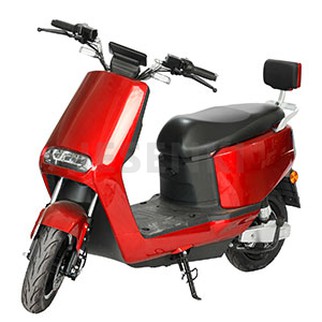
The pedal-assist feature on an electric motorcycle with pedals is a sophisticated system that combines human power with electric motor assistance.
Sensing Mechanisms
It starts with sensors. There are typically two main types of sensors involved. A torque sensor measures the force applied by the rider on the pedals. When the rider starts pedaling, the sensor detects the torque generated. For example, if the rider pushes harder on the pedals, the sensor registers a higher torque value. An additional speed sensor monitors the rotational speed of the pedals. These sensors work in tandem to provide real-time data to the motorcycle's control unit.
Control Unit and Motor Activation
The control unit, often referred to as the brain of the system, receives the data from the sensors. Based on this input, it calculates the appropriate amount of electric motor assistance required. If the rider is pedaling gently, the control unit will send a signal to the electric motor to provide a relatively small amount of power. Conversely, when the rider exerts more force on the pedals, the control unit will increase the motor's power output. This ensures a seamless integration of pedal power and electric power, making the ride feel natural.
To buy high-quality electric motorcycles with pedals, please visit the following website: www.jesenki.com.