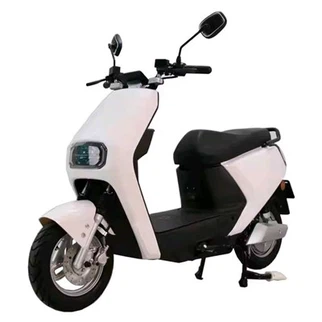
Today, in city streets and rural markets, electric tricycles have become a standard mode of transportation for the elderly. With their unique advantages, they precisely meet the travel needs of seniors, gradually replacing traditional bicycles and human-powered tricycles, becoming a recognized "transportation marvel." The reasons for this stem from the adaptability of the electric tricycle's design, the evolving travel needs of the elderly in an aging society, and its comprehensive advantages in balancing safety, practicality, and economy.
Maximum safety, tailored to the physiological characteristics of the elderly, is the core premise for the electric tricycle's success. As people age, their balance and reaction speed naturally decline, making the risk of tipping over on two-wheeled electric vehicles and bicycles prohibitive. Electric tricycles, however, use a "three-point support" structure, providing exceptional stability. Even at low speeds or when temporarily stopped, they remain firmly planted on the ground, fundamentally reducing the risk of falls. Meanwhile, most mainstream electric tricycles are equipped with a sensitive dual braking system consisting of electromagnetic brakes and foot brakes. The braking response is rapid and the force is easily controlled, allowing the elderly to stop easily without expending excessive physical effort. Furthermore, manufacturers have specifically optimized the speed design, generally limiting the maximum speed to 20-30 kilometers per hour. This meets the needs of short-distance travel while preventing dangers caused by excessive speed, making travel safer for the elderly.
Maximum practicality and adaptability to diverse travel scenarios for the elderly are key reasons for their popularity. The travel needs of the elderly are mostly concentrated in short-distance scenarios such as grocery shopping, medical visits, picking up grandchildren, and socializing with neighbors. Electric tricycles perfectly cover these needs. In terms of storage space, most electric tricycles are equipped with a front basket and a rear cargo bed, which can hold daily necessities such as rice, flour, oil, vegetables, and fruits, as well as larger items such as folding wheelchairs and strollers, making them far more practical than two-wheeled vehicles. In terms of range, ordinary electric tricycles can travel 30-50 kilometers, fully meeting the travel needs of the elderly within a 5-10 kilometer radius, eliminating the need for frequent charging. More importantly, electric tricycles are extremely easy to operate. No gear shifting is required; simply twist the handle to control speed. A clear dashboard displays battery level and speed, making it easy for even those unfamiliar with complex mechanics to learn and operate them proficiently.
Combining comfort and economy, electric tricycles lower the barrier to entry for the elderly, further solidifying their status as an essential mode of transportation. Regarding comfort, electric tricycle seats are often widened and thickened, with soft cushions and backrests, preventing fatigue even after prolonged sitting. Some high-end models are also equipped with shock absorption systems, effectively filtering road bumps and maintaining a stable ride even on rural roads or uneven surfaces. Compared to physically demanding human-powered tricycles, electric tricycles are powered by electricity, eliminating the need for pedaling and significantly reducing physical strain, making them particularly suitable for elderly individuals with underlying conditions such as arthritis, back pain, and leg pain. In terms of economics, the purchase cost of an electric tricycle is only 3,000-8,000 yuan, far lower than that of a car. Daily charging costs are also extremely low, costing only 1-2 yuan per charge, with a range of tens of kilometers. Compared to taking public transportation or taxis, long-term use can save a significant amount of money. Meanwhile, maintenance costs are also low; core components such as batteries and motors have a lifespan of 3-5 years, requiring only simple replacement of easily worn parts.
Furthermore, changes in the social environment have also contributed to electric tricycles becoming a popular mode of transportation for the elderly. As the aging population grows, the travel rights of the elderly are receiving more attention. Various regions have introduced relevant policies to regulate the management of electric tricycles while also providing convenience for their use. For example, some cities allow electric tricycles to legally operate on non-motorized vehicle lanes, and some residential communities have specifically designated parking areas and charging facilities for electric tricycles. More importantly, electric tricycles expand the range of activities for the elderly, allowing them to travel independently without relying on their children. They can independently complete daily tasks such as shopping and medical visits, participate in community activities, and visit relatives and friends, greatly enhancing their autonomy and happiness in their later years. Electric tricycles, with their high safety, practicality, comfort, and economy, are perfectly suited to the physiological characteristics and travel needs of the elderly, while also aligning with the trend of an aging society. They not only solve the problem of "difficulty in getting around" for the elderly but also empower them to achieve "freedom of movement," becoming an important vehicle for improving their quality of life and truly deserving the title of an essential mobility aid for seniors.