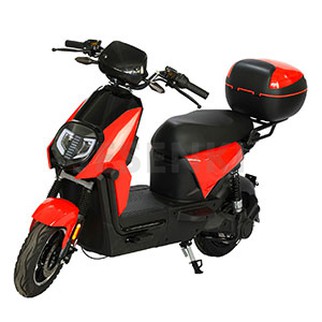
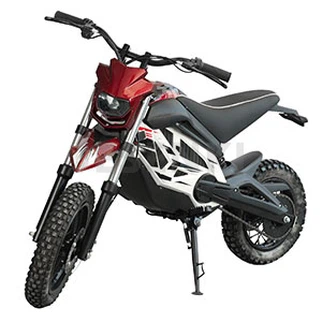
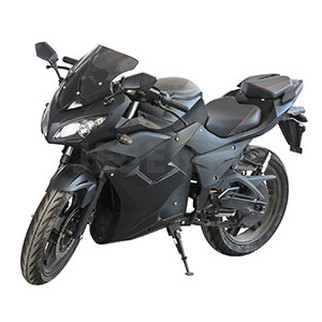
The main structural components of the electric scooter include the battery and motor, the frame and pedals, the tire and brake system, the control circuit, the steering mechanism and the standing platform.
Battery and motor: The core part of the electric scooter is the battery and motor. The battery mainly uses lithium-ion batteries, which have the characteristics of high energy density, fast charging speed and long life. The motor can choose a brushless DC motor or an AC motor according to different needs.
Frame and pedals: The frame is usually made of aluminum alloy material, which has the advantages of light weight, high strength and corrosion resistance. The pedals are designed with non-slip to ensure safe riding.
Tires and braking system: Tires are generally pneumatic tires, which have good comfort and grip. The braking system needs to have efficient braking power and stability.
Control circuit: The control circuit is the "brain" of the electric scooter, responsible for controlling the charging and discharging of the battery, the operation of the motor, etc. Circuit boards generally use multilayer PCB boards filled with electronic components and wires.
Steering mechanism: The steering mechanism of the electric scooter allows the user to control the direction through the micro movement of the body, and the steering system of most scooters includes a steering rod connected to the front wheel, and the user can turn the front wheel by rotating the handle to achieve flexible steering.
Standing platform: A standing platform is where the user stands, and it must be wide enough to accommodate different users' foot shapes and provide a stable standing space. The platform is usually covered with a non-slip material, such as sandpaper or rubber pads, to increase friction and prevent the user from slipping while driving.
Together, these components form the basic structure of the electric scooter, ensuring its safety, comfort and fun.