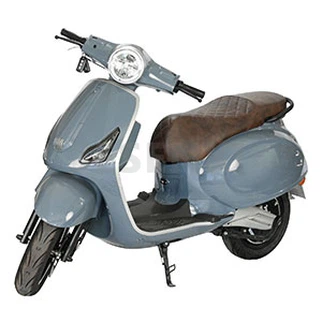
In the fast-paced world of urban transportation, lithium-ion scooters have become a game-changing solution that combines convenience, efficiency, and environmental friendliness.
1. Design and manufacturing
Lithium-ion scooters are usually designed with a lightweight and sturdy frame, usually made of high-grade aluminum alloy. This not only ensures durability, but also makes the scooter easy to carry and maneuver. The deck is wide and well-textured, providing a stable and comfortable standing area for the rider. The handlebars on many models are adjustable, allowing users to find the perfect ergonomic position for a smooth ride. The scooters are equipped with large pneumatic tires that can handle a variety of terrains, from smooth city sidewalks to slightly uneven surfaces, ensuring a comfortable and stable ride.
2. Lithium-ion battery power
At the heart of a lithium-ion scooter is the lithium-ion battery. These batteries have several advantages over traditional lead-acid batteries. First, they are lighter, which helps to improve the overall portability of the scooter. Second, lithium-ion batteries have a higher energy density, which means they can store more energy in a smaller space. This gives the scooter a longer range. A typical lithium scooter can travel between 20 and 50 kilometers on a single charge, depending on factors such as battery capacity, rider weight, and terrain. Additionally, lithium-ion batteries have a longer lifespan and can be charged and discharged multiple times without significantly degrading performance.
Performance and Speed
Lithium scooters are powered by electric motors that provide instant torque. This allows for quick acceleration, making them easy to maneuver through traffic. The top speed of lithium scooters is typically between 20 and 30 kilometers per hour, making them ideal for city commuting. Some high-end models can even reach speeds of 50 kilometers per hour. Speed can usually be adjusted via a simple control panel on the handlebars, giving riders the flexibility to choose the speed that best suits different situations.
3. Safety Features
Safety is a top priority in lithium scooter design. Most models are equipped with a reliable braking system, including front and rear brakes. Some use disc brakes for better stopping power, while others rely on efficient drum brakes. In addition, many lithium scooters have built-in lights, including a bright headlight for nighttime illumination and a taillight for increased visibility to other road users. Some advanced models are also equipped with anti-lock braking systems (ABS) and stability control to prevent skidding and ensure safe riding.
4. Environmental Benefits
One of the most significant advantages of lithium-ion scooters is their positive impact on the environment. Since they are electrically powered, they do not produce any emissions during operation. This helps reduce air pollution in urban areas and contributes to a cleaner, healthier environment. By choosing a lithium-ion scooter for short trips, riders can reduce their carbon footprint and promote sustainable transportation.