As a supplier of leisure three-wheeled electric vehicles, I am often asked about the stability control system of these unique vehicles. In this blog, I will delve into how the stability control system of a leisure three-wheeled electric vehicle works, shedding light on the technology that ensures a safe and enjoyable riding experience.
The Basics of a Leisure Three - wheeled Electric Vehicle
Leisure three - wheeled electric vehicles are designed for comfort, convenience, and fun. They are popular among a wide range of users, from elderly individuals looking for an easy - to - operate mode of transportation to adventure seekers who want to explore the outdoors. These vehicles typically have two wheels at the rear and one at the front, providing a stable base for movement.
The Importance of Stability Control
Stability is crucial for any vehicle, but it is especially important for three - wheeled electric vehicles. Due to their unique design, they are more prone to tipping over compared to four - wheeled vehicles. A well - designed stability control system can prevent accidents by keeping the vehicle balanced and in control, even in challenging conditions.
How the Stability Control System Works
Sensor Technology
The first step in the stability control system is the use of sensors. These sensors are strategically placed throughout the vehicle to monitor various parameters such as speed, acceleration, steering angle, and the angle of the vehicle relative to the ground. For example, accelerometers can detect sudden changes in speed or direction, while gyroscopes measure the vehicle's orientation.
These sensors continuously collect data and send it to the vehicle's electronic control unit (ECU). The ECU is the brain of the stability control system, which processes the data and makes decisions based on pre - programmed algorithms.
Electronic Control Unit (ECU)
The ECU analyzes the data received from the sensors in real - time. It compares the current state of the vehicle with the ideal state, which is determined by the manufacturer based on extensive testing and research. If the ECU detects a deviation from the ideal state, it takes action to correct the situation.
For instance, if the vehicle is turning too sharply and the sensors indicate that it is at risk of tipping over, the ECU can adjust the power output to the wheels. It may reduce the power to the outer wheels and increase it to the inner wheels, creating a counter - force that helps to keep the vehicle stable.
Brake Intervention
In addition to adjusting the power output, the stability control system can also use the brakes to maintain stability. If the vehicle is oversteering or understeering, the ECU can apply the brakes to specific wheels. For example, if the front wheel is losing traction during a turn, the ECU can apply the brake to that wheel to reduce its speed and regain control.
This brake intervention is often done in a very precise and controlled manner. The ECU can modulate the brake pressure on each wheel independently, ensuring that the vehicle remains stable without causing a sudden stop.
Traction Control
Traction control is another important aspect of the stability control system. It helps to prevent the wheels from spinning when the vehicle is accelerating on slippery surfaces. When the sensors detect that a wheel is spinning, the ECU reduces the power to that wheel, allowing it to regain traction.
This is particularly useful in wet or icy conditions, where maintaining traction is essential for safe driving. By preventing wheel spin, the traction control system helps to keep the vehicle moving in a straight line and reduces the risk of skidding.
Real - World Applications
The stability control system is not just a theoretical concept; it has real - world applications that make a significant difference in the safety and performance of leisure three - wheeled electric vehicles.
Daily Commuting
For individuals using these vehicles for daily commuting, the stability control system provides peace of mind. It ensures that the vehicle remains stable in various traffic conditions, such as sudden stops or sharp turns. This is especially important in urban areas where traffic can be unpredictable.
Outdoor Adventures
For those who use leisure three - wheeled electric vehicles for outdoor adventures, the stability control system is essential. It allows them to navigate rough terrain, such as dirt roads or hilly areas, with confidence. The system can adjust to the changing conditions, ensuring that the vehicle remains stable and safe.

Our Product Offerings
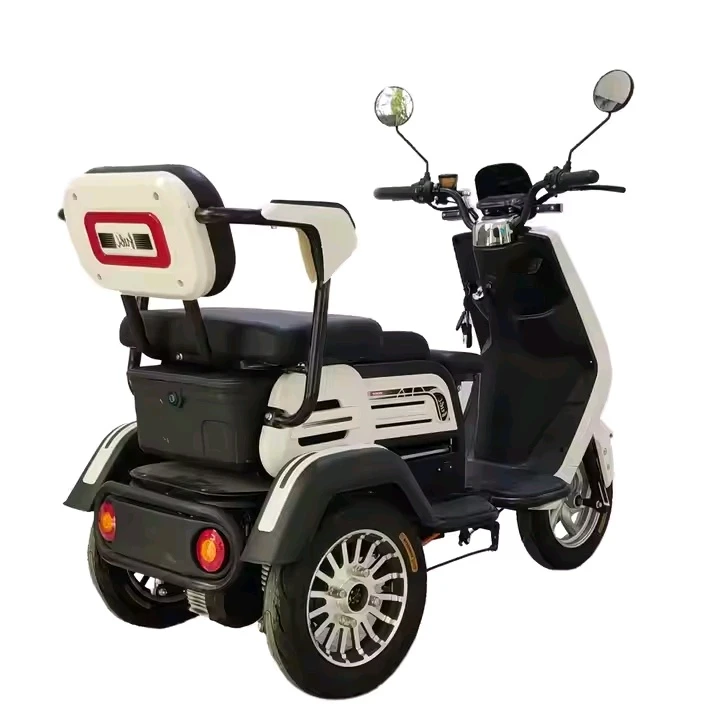
As a supplier of leisure three - wheeled electric vehicles, we offer a range of products that are equipped with advanced stability control systems. Our 2 Person Electric Trike is perfect for couples or friends who want to enjoy a ride together. It provides a stable and comfortable experience, thanks to its state - of - the - art stability control technology.
Our Electric Cargo Tricycle EEC is designed for those who need to carry heavy loads. The stability control system ensures that the vehicle remains balanced even when fully loaded, making it a reliable option for business owners or individuals who need to transport goods.
We also offer the Electric Bike Electric Motor Trike Scooter, which combines the features of a bike, a motor trike, and a scooter. This versatile vehicle is suitable for a wide range of users and is equipped with a stability control system that enhances its safety and performance.
Contact Us for Procurement
If you are interested in purchasing our leisure three - wheeled electric vehicles, we encourage you to contact us for procurement. Our team of experts is ready to assist you in finding the right vehicle for your needs. We can provide detailed information about our products, including specifications, pricing, and after - sales support.