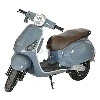
Eco-friendly electric motorbikes have been making waves in the transportation industry, blending sustainability with innovation. As a supplier of Eco-Friendly Electric Motorbikes, I've had the privilege of witnessing firsthand the evolution of these remarkable vehicles. One of the key aspects that enthusiasts and potential buyers often inquire about is the power output of these electric motorbikes, typically measured in kilowatts (kW). In this blog, we'll delve into the intricacies of power output in eco-friendly electric motorbikes, exploring the factors that influence it and the implications for performance.
Understanding Power Output in Electric Motorbikes
Power output is a crucial metric when evaluating the performance of an electric motorbike. It determines how quickly the bike can accelerate, its top speed, and its ability to handle various terrains. In simple terms, power is the rate at which work is done. In the context of an electric motorbike, it refers to the rate at which the electric motor converts electrical energy into mechanical energy to drive the wheels.
The power output of an electric motorbike is measured in kilowatts (kW). One kilowatt is equivalent to 1,000 watts. To put this into perspective, a typical household light bulb might consume around 60 watts, while an electric kettle could use upwards of 2,000 watts. In the world of electric motorbikes, power outputs can range from a few kilowatts for small, urban commuter models to over 100 kW for high-performance racing bikes.
Factors Affecting Power Output
Several factors influence the power output of an eco-friendly electric motorbike. Understanding these factors can help you make an informed decision when choosing the right bike for your needs.
Electric Motor Design
The design of the electric motor plays a significant role in determining the power output. Different types of electric motors, such as brushed and brushless DC motors, have varying levels of efficiency and power capabilities. Brushless DC motors, in particular, are commonly used in modern electric motorbikes due to their high efficiency, low maintenance requirements, and ability to deliver high power outputs.
Battery Capacity and Voltage
The battery is the heart of an electric motorbike, providing the electrical energy needed to power the motor. The capacity and voltage of the battery can have a direct impact on the power output. A higher-capacity battery can store more energy, allowing the motor to draw more power and deliver a higher output. Similarly, a higher battery voltage can increase the power available to the motor, resulting in improved performance.
Controller and Power Electronics
The controller and power electronics act as the brain of the electric motorbike, regulating the flow of electrical energy from the battery to the motor. A well-designed controller can optimize the power delivery, ensuring that the motor operates at its maximum efficiency and delivers the desired power output. Advanced power electronics can also provide additional features, such as regenerative braking, which helps to recharge the battery while decelerating.
Weight and Aerodynamics
The weight and aerodynamics of the electric motorbike can also affect its power output. A heavier bike requires more power to accelerate and maintain speed, while a sleek and aerodynamic design can reduce drag and improve efficiency. Manufacturers often strive to strike a balance between weight and performance, using lightweight materials and innovative design techniques to maximize power output while minimizing energy consumption.
Power Output Ranges of Eco-Friendly Electric Motorbikes
Eco-friendly electric motorbikes come in a wide range of power outputs to suit different needs and preferences. Here's a breakdown of the typical power output ranges for various types of electric motorbikes:
Low-Power Electric Motorbikes (1 - 5 kW)
These are typically small, lightweight electric motorbikes designed for urban commuting and short trips. They offer a smooth and quiet ride, making them ideal for navigating congested city streets. While their power output may be relatively low, they are highly efficient and can provide a decent range on a single charge. Examples of low-power electric motorbikes include some models of 3000w Electric Motorcycle.
Medium-Power Electric Motorbikes (5 - 20 kW)
Medium-power electric motorbikes offer a good balance between performance and efficiency. They are suitable for daily commuting, longer rides, and some light off-road use. With a power output in this range, these bikes can accelerate quickly, reach moderate top speeds, and handle various terrain conditions. Many popular electric motorbike models fall into this category, offering a range of features and styles to choose from.
High-Power Electric Motorbikes (20 - 100+ kW)
High-power electric motorbikes are designed for performance enthusiasts and racing applications. They offer exceptional acceleration, high top speeds, and impressive handling capabilities. These bikes often feature advanced technology and high-performance components to deliver a thrilling riding experience. The Electric Motorcycle Energica Ego is a prime example of a high-power electric motorbike, with a power output that can rival some of the best gasoline-powered motorcycles on the market.
Power Output and Performance
The power output of an eco-friendly electric motorbike has a direct impact on its performance. Here's how power output affects various aspects of a bike's performance:
Acceleration
A higher power output means that the electric motor can deliver more torque to the wheels, resulting in faster acceleration. This is particularly important for overtaking other vehicles, merging onto highways, and navigating busy intersections. Electric motorbikes with high power outputs can often accelerate from 0 to 60 mph in a matter of seconds, providing a thrilling and responsive riding experience.
Top Speed
Power output also plays a crucial role in determining the top speed of an electric motorbike. A higher power output allows the motor to overcome aerodynamic drag and maintain a higher speed. However, other factors, such as gearing, weight, and aerodynamics, also come into play. High-performance electric motorbikes with powerful motors and optimized designs can reach top speeds of over 100 mph or more.
Range
While power output is important for performance, it can also have an impact on the range of an electric motorbike. A higher power output typically means that the motor consumes more energy, reducing the bike's range on a single charge. However, advancements in battery technology and energy management systems have helped to mitigate this issue, allowing electric motorbikes to offer a decent range even with high power outputs.
Hill Climbing and Towing
Power output is particularly important when it comes to hill climbing and towing. A bike with a higher power output can tackle steep hills more easily, providing the necessary torque to overcome gravity. Similarly, if you plan to use your electric motorbike for towing trailers or carrying heavy loads, a higher power output is essential to ensure smooth and efficient operation.
Power Output in Electric Motorcycle Racing
Electric motorcycle racing has emerged as an exciting and competitive sport, showcasing the performance capabilities of eco-friendly electric motorbikes. In racing applications, power output is a critical factor, as it determines a bike's acceleration, top speed, and overall performance on the track.
The Electric Motorcycle Racing scene has seen significant advancements in recent years, with manufacturers and teams pushing the boundaries of electric motorbike technology. High-power electric racing bikes can produce over 200 kW of power, allowing them to reach speeds of over 200 mph on the straightaways. These bikes feature state-of-the-art electric motors, high-capacity batteries, and advanced power electronics to deliver maximum performance.
Choosing the Right Power Output for Your Needs
When choosing an eco-friendly electric motorbike, it's important to consider your specific needs and riding style. Here are some factors to keep in mind when deciding on the right power output:
Commuting and Urban Riding
If you primarily use your electric motorbike for commuting in urban areas, a low to medium-power bike may be sufficient. These bikes offer good efficiency, maneuverability, and a decent range, making them ideal for navigating congested city streets.
Long-Distance and Highway Riding
For longer rides and highway use, a medium to high-power bike is recommended. These bikes can provide the necessary acceleration and top speed to keep up with traffic and handle highway conditions. They also typically offer a longer range, allowing you to travel further on a single charge.
Off-Road and Adventure Riding
If you plan to take your electric motorbike off-road or on adventure rides, a high-power bike with good torque and handling capabilities is essential. These bikes can tackle rough terrain, steep hills, and challenging obstacles with ease.

Racing and Performance
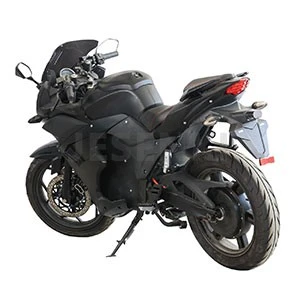
If you're a performance enthusiast or interested in electric motorcycle racing, a high-power bike with advanced technology and top-of-the-line components is the way to go. These bikes offer the ultimate in speed, acceleration, and handling, allowing you to experience the thrill of racing on an eco-friendly platform.
Conclusion
In conclusion, the power output of eco-friendly electric motorbikes is a critical factor that influences their performance, range, and overall suitability for different riding needs. By understanding the factors that affect power output and choosing the right bike for your specific requirements, you can enjoy a thrilling and sustainable riding experience.
As a supplier of Eco-Friendly Electric Motorbikes, we offer a wide range of models with varying power outputs to suit every need and budget. Whether you're looking for a low-power commuter bike, a medium-power all-rounder, or a high-power performance machine, we have the perfect electric motorbike for you.
If you're interested in learning more about our eco-friendly electric motorbikes or would like to discuss your specific requirements, please don't hesitate to contact us. We're here to help you find the perfect bike and answer any questions you may have. Let's embrace the future of transportation together and make a positive impact on the environment.