Why Does Tire Size Matter When Choosing an Electric Scooter?
When comparing electric scooters, buyers often focus on motor power, battery capacity and maximum speed. Tire size may receive less attention, even though it directly affects how the vehicle behaves on different roads.
A scooter designed for smooth urban streets does not necessarily need the same tire configuration as one intended for uneven roads, longer-distance commuting or heavier loads.
Consider two scooters with similar motors and battery capacities. One uses relatively small, narrow tires, while the other has larger-diameter, wider tires. Their acceleration response, ability to cross road obstacles, cornering feel and riding comfort may differ noticeably.
For electric scooter manufacturers, tire selection is a balance between several factors:
Ride comfort: How effectively the tire absorbs road irregularities.
Handling and stability: How the scooter responds when cornering or travelling at speed.
Acceleration and climbing: How tire dimensions affect the effective gearing and motor load.
Energy consumption: How tire construction, pressure and rolling resistance affect battery usage.
Vehicle design: Whether the tire fits the frame, suspension, fenders and braking system.
For wholesalers, the important point is that a larger tire is not automatically better. The right size depends on the vehicle's design and the road conditions expected in the target market.
How Does Tire Diameter Affect Electric Scooter Performance?
Tire diameter is one of the most important dimensions when evaluating an electric scooter's wheel configuration. It affects how easily the wheel rolls over road obstacles, the effective gearing between the motor and the road, and the vehicle's overall geometry.
1. Larger Tires Improve Obstacle Clearance
Small wheels are more sensitive to potholes, road joints, cracks and raised surfaces.
When a small-diameter wheel encounters an obstacle, it has to climb over a relatively steep surface. A larger wheel approaches the same obstacle at a shallower angle, generally allowing it to roll over more easily.
This is particularly relevant in markets where roads have:
- Uneven asphalt or concrete surfaces.
- Frequent potholes and damaged road sections.
- Raised drainage covers and road joints.
- Unpaved or poorly maintained access roads.
A larger tire can reduce the sudden impact transmitted to the vehicle when crossing these obstacles.
However, tire diameter is only one part of ride comfort. Tire pressure, sidewall height, suspension travel and tire construction also influence how much vibration reaches the rider.
2. Larger Tires Can Improve Stability and Riding Comfort
Larger wheels generally provide a more composed ride over uneven surfaces, especially when compared with very small wheels.
For electric scooters used for daily commuting, this can make a noticeable difference when travelling across imperfect roads.
Smaller wheels can feel more sensitive to surface changes, while larger wheels tend to roll over minor road irregularities more smoothly.
That said, stability is not determined by tire diameter alone. Wheelbase, steering geometry, tire profile, suspension design, vehicle weight distribution and tire pressure all contribute to handling.
For buyers comparing two models, it is therefore better to evaluate the complete chassis and wheel configuration rather than using diameter as the only indicator of stability.
3. Tire Diameter Changes Effective Gearing
This is an important technical consideration that is often overlooked.
For a given motor speed and transmission ratio, a larger tire travels farther with each wheel revolution. This means the vehicle's effective gearing becomes taller.
The practical consequences may include:
Higher theoretical road speed at the same wheel RPM.
Lower wheel torque at the contact patch for the same wheel torque.
More demand on the motor during acceleration and climbing.
Different speedometer readings if the vehicle is not recalibrated.
For example, assume a scooter changes from a 10-inch to a 12-inch tire, with all other factors remaining unchanged.
The theoretical rolling circumference increases by approximately 20%:
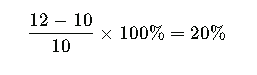
At the same wheel RPM, the theoretical travel distance per revolution also increases by approximately 20%.
However, this does not mean the scooter will automatically become 20% faster. The motor may not have enough torque or power to reach the same RPM under the new load, and the controller may impose a speed limit.
For manufacturers, changing tire diameter requires checking motor performance, controller settings, ground clearance and speedometer calibration together.
How Does Tire Width Affect Ride Performance?
Tire diameter and tire width influence different aspects of vehicle behaviour.
Diameter mainly affects obstacle clearance and effective gearing. Width influences tire profile, available contact area, steering response and the space required for installation.
1. Wider Tires Can Improve Road Contact and Stability
A wider tire can provide a broader tread profile and may help the scooter feel more planted, particularly when carrying heavier loads or travelling on uneven surfaces.
It can also be less likely to follow narrow grooves or cracks in the road, depending on its profile and construction.
This is useful for scooters designed for daily commuting or applications where riders value a stable, confident feel.
However, a wider tire does not automatically provide better grip.
Actual traction depends on the rubber compound, tread pattern, tire pressure, load, road surface and tire contact characteristics. Simply increasing width does not guarantee a shorter braking distance or better wet-road performance.
2. Wider Tires May Increase Rolling Resistance
A wider tire can have a different contact profile and may create more aerodynamic drag, depending on its design and operating conditions.
The additional rolling resistance can increase the energy required to maintain speed, potentially affecting battery range.
But width alone is not enough to predict energy consumption. Tire compound, inflation pressure, tread pattern, construction and vehicle load can have an equally important influence.
For manufacturers targeting longer-range commuter models, tire selection should therefore consider rolling resistance alongside stability and comfort.
3. Tire Width Affects Steering Response
Wider tires can change how the scooter responds during steering.
Depending on the tire profile and front-end geometry, a wider tire may feel more planted but can also require more steering effort or produce a different turning response.
For an electric scooter designed for urban traffic, the steering feel should remain predictable during low-speed manoeuvres and normal cornering.
This is why changing tire width without checking the original vehicle design is not recommended.
Does Tire Size Affect Electric Scooter Acceleration and Climbing Ability?
Yes. Tire size can influence acceleration and climbing because it changes the relationship between wheel rotation and the distance travelled.
The basic relationship is:
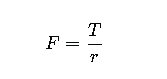
Where:
F = driving force at the tire contact patch.
T = torque delivered to the wheel.
r = effective tire radius.
If wheel torque remains constant, increasing tire radius reduces the driving force available at the road.
For example, if the effective tire radius increases by 20%, the theoretical driving force at the contact patch decreases by approximately 16.7%, assuming the same wheel torque:
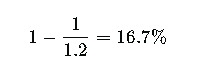
This simplified relationship helps explain why fitting a larger tire can make acceleration and hill climbing more demanding.
In actual operation, motor torque, controller current limits, battery voltage, transmission characteristics and tire deformation also affect performance.
Why This Matters for High-Power Electric Scooters
A higher-power motor does not eliminate the need for correct tire matching.
For example, a scooter with a 1,500W motor designed around a particular wheel diameter may respond differently if the manufacturer increases the tire size without adjusting the powertrain.
The motor may need to produce more torque to deliver the same acceleration at the road. If the motor and controller cannot provide sufficient output, the scooter may feel less responsive, especially when carrying a passenger or climbing a slope.
For wholesalers, this means tire dimensions should be evaluated as part of the complete vehicle specification-not as an isolated replacement component.
How to Choose Tire Size for Different Electric Scooter Applications
There is no universal tire size that suits every electric scooter. The appropriate configuration depends on vehicle type, rider requirements, road conditions and overall design.
|
Application |
Tire selection priorities |
Why it matters |
|---|---|---|
|
Urban commuting |
Balanced diameter and moderate width |
Combines manoeuvrability, comfort and everyday practicality |
|
Long-distance commuting |
Suitable diameter, stable profile and efficient construction |
Supports consistent road handling and energy efficiency |
|
Uneven roads |
Larger diameter and suitable tire profile |
Helps the wheel roll over potholes and surface irregularities |
|
Heavy-load scooters |
Appropriate load rating and tire construction |
Supports the combined weight of the vehicle, rider and cargo |
|
Off-road use |
Suitable diameter, width and terrain-specific tread |
Improves traction on loose or irregular surfaces |
Urban Commuting: Balance Handling and Comfort
For everyday urban use, a balanced tire configuration is often more practical than choosing the largest available diameter.
The scooter needs to navigate traffic, make frequent turns and travel over ordinary road imperfections.
A suitable tire should provide predictable steering, adequate load capacity and enough cushioning for typical road conditions.
Long-Distance Riding: Consider Rolling Resistance and Durability
For longer journeys, tire efficiency and wear resistance become important.
A tire with unnecessarily high rolling resistance can increase battery energy consumption. Meanwhile, unsuitable load ratings or poor wear resistance may create maintenance problems for distributors and end users.
When comparing models, ask about tire construction, recommended pressure, load rating and the expected maintenance requirements.
Uneven Roads: Prioritize Obstacle Handling
For markets with damaged roads or inconsistent pavement quality, a larger wheel diameter can be a useful design advantage.
However, it should be combined with appropriate suspension travel and tire construction.
A large wheel with a very stiff tire and inadequate suspension may still produce an uncomfortable ride.
How to Read Electric Scooter Tire Size Specifications
Understanding tire markings is important when comparing vehicle configurations or ordering replacement tires.
Different tire sizing systems are used in the electric scooter market, and similar-looking numbers do not always indicate identical dimensions.
Common Inch-Based Tire Markings
Consider the marking:
10 × 2.50-6.5
It generally indicates:
|
Marking |
Meaning |
|---|---|
|
10 |
Nominal overall tire diameter in inches |
|
2.50 |
Nominal tire width in inches |
|
6.5 |
Rim diameter in inches |
The last number is especially important when selecting a replacement tire because the tire bead must match the wheel rim.
Metric Tire Markings
Another common format is:
60/70-6.5
This generally means:
60: Nominal tire section width in millimetres.
70: Sidewall height as a percentage of the section width.
6.5: Rim diameter in inches.
The approximate outside diameter can be calculated as:

Where:
D = overall tire diameter.
R = rim diameter.
H = sidewall height.
For a 60/70-6.5 tire:
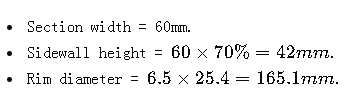
Therefore:

This is approximately 9.8 inches.
That is why a 60/70-6.5 tire is commonly marketed as a 10-inch scooter tire.
However, nominal dimensions and actual mounted dimensions can differ. Buyers should always confirm the original tire marking, rim compatibility and vehicle clearance rather than assuming that two tires with similar advertised diameters are interchangeable.
Radmotousa+2
Tire Size Is Not the Only Factor: What Else Should Buyers Check?
Two electric scooters can use the same nominal tire size but deliver different riding experiences.
The reason is that tire construction and operating conditions also matter.
1. Pneumatic vs Solid Tires
Pneumatic tires contain compressed air and generally provide better cushioning than solid tires.
Solid tires eliminate the risk of air-pressure loss and punctures, but they usually transmit more road vibration to the vehicle.
For buyers, the choice involves a trade-off between ride comfort and puncture-related maintenance.
Kick & Volt+1
2. Tire Pressure
Incorrect tire pressure can affect handling, rolling resistance, tire wear and puncture risk.
Underinflated tires may deform excessively and generate additional heat, while overinflated tires can reduce cushioning and alter the contact characteristics.
Always follow the pressure range specified by the tire or vehicle manufacturer. Do not apply one pressure recommendation to every scooter tire.
3. Load Rating
An electric scooter tire must support the combined weight of the vehicle, rider and any additional cargo or passenger.
A tire that is too small or has an inadequate load rating may wear excessively or operate outside its intended conditions.
For heavy-duty and seated electric scooters, this is particularly important because the vehicle may be designed to carry more weight than a typical lightweight commuter scooter.
4. Tread Pattern
Tread design should match the intended riding environment.
Smooth or lightly patterned tires are commonly used for paved roads.
More pronounced tread patterns may be suitable for loose or mixed surfaces.
Aggressive off-road patterns can create additional noise and rolling resistance on ordinary pavement.
The tread pattern should be evaluated together with the rubber compound and tire construction. A visually aggressive tread does not automatically mean better traction in every condition.
What Should Electric Scooter Wholesalers Confirm Before Ordering?
When sourcing electric scooters in bulk, tire specifications should be included in the model confirmation process.
A change in tire size can affect more than the appearance of the vehicle. It may require changes to wheel hubs, fenders, suspension clearance, braking components and even powertrain calibration.
Before confirming a purchase order, ask the manufacturer to clarify:
|
Item |
Information to confirm |
|---|---|
|
Tire diameter |
Nominal outside diameter or applicable tire size marking |
|
Tire width |
Actual specified width |
|
Rim size |
Compatible rim diameter and width |
|
Tire construction |
Pneumatic, tubed, tubeless or solid |
|
Load rating |
Maximum rated load under specified conditions |
|
Speed rating |
Applicable tire speed rating |
|
Inflation pressure |
Recommended operating pressure, if pneumatic |
|
Tread design |
Road, mixed-surface or off-road application |
|
Replacement availability |
Whether compatible tires and inner tubes can be supplied |
Why Tire Compatibility Matters for OEM Orders
For OEM and private-label orders, buyers should confirm the tire configuration before mass production.
If a distributor requests a wider tire or a larger wheel to improve the product's appearance or riding characteristics, the manufacturer needs to check the complete installation space.
Potential interference points include:
- Front fork and rear swingarm.
- Mudguards and fenders.
- Brake calipers and discs.
- Motor housing and wheel hubs.
- Suspension components.
- Frame and body panels.
The manufacturer should also check whether the change affects speedometer calibration, ground clearance and the vehicle's handling characteristics.
This is particularly important when developing a private-label model for a market with specific road conditions or load requirements.
Final Considerations for Electric Scooter Tire Selection
Electric scooter tire size affects obstacle handling, ride comfort, steering response and the effective gearing between the motor and the road.
Larger diameters can improve the ability to cross road irregularities, but they may also reduce wheel torque at the contact patch for a given wheel torque. Wider tires may provide a more planted feel, but they can increase rolling resistance and create installation constraints.
For wholesalers, the best tire configuration is not necessarily the largest or widest option. It is the one that matches the scooter's motor, suspension, load rating, vehicle geometry and intended riding environment.
When comparing electric scooters from different manufacturers, look beyond the nominal tire diameter. Check the complete tire specification and make sure it supports the vehicle's intended market positioning.
Frequently Asked Questions
1. Are larger tires better for electric scooters?
Larger tires generally roll over potholes and road irregularities more easily, which can improve ride comfort and obstacle clearance. However, they can also change effective gearing, vehicle geometry and acceleration characteristics. The best size depends on the scooter's design and intended use.
2. Do wider electric scooter tires improve stability?
Wider tires can provide a more planted riding feel, depending on their profile and construction. However, stability also depends on tire pressure, rubber compound, wheelbase, steering geometry and suspension. Width alone does not guarantee better handling.
3. Does tire size affect electric scooter speed?
Yes. A larger tire has a greater rolling circumference, so it travels farther per wheel revolution. However, actual maximum speed depends on motor RPM, motor torque, controller settings, battery voltage and available power. A larger tire does not automatically increase the scooter's maximum speed.
4. Do larger tires reduce electric scooter acceleration?
They can. For the same wheel torque, a larger effective tire radius produces less driving force at the road. This may make acceleration and climbing more demanding, particularly when the motor and controller are not designed for the larger wheel configuration.
5. What is the difference between 10×2.5 and 60/70-6.5 scooter tires?
These markings use different sizing systems. A 10×2.5 marking generally describes nominal outside diameter and width in inches, while 60/70-6.5 describes section width, aspect ratio and rim diameter. Their calculated dimensions may be similar, but buyers should not assume they are interchangeable without confirming rim and vehicle compatibility.
6. Can I install larger tires on an existing electric scooter?
Not without checking compatibility. A larger tire may interfere with the fender, fork, swingarm, brake components or frame. It can also change speedometer accuracy, ground clearance and handling. Confirm the permitted tire dimensions with the vehicle manufacturer before making a change.