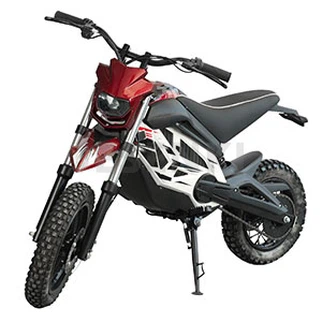
The lifespan of an electric dual sport motorcycle battery can vary significantly depending on several factors.
Battery Type
Lithium-ion batteries are commonly used in these motorcycles. High-quality lithium-ion batteries typically have a lifespan of around 2,000 to 3,000 charge-discharge cycles. However, this number can be affected by how the battery is used. For example, a well-maintained lithium-ion battery in a moderate-use scenario might last for 5 - 7 years. In contrast, lead-acid batteries, which are less common in modern electric dual sport motorcycles, generally have a shorter lifespan. They may only endure 300 to 500 charge-discharge cycles, equivalent to about 2 - 3 years of regular use.
Usage Patterns
Frequent and deep discharges can reduce the battery's lifespan. If a rider constantly drains the battery to near-zero before recharging, it puts stress on the battery cells. On the other hand, shallow discharges and regular partial recharges are more favorable. Aggressive riding styles, such as frequent high-speed acceleration and off-road maneuvers that demand high power output, also cause the battery to degrade faster.
Environmental Conditions
Temperature plays a crucial role. Batteries perform best at moderate temperatures. Extreme heat can accelerate chemical reactions within the battery, leading to faster degradation. Cold temperatures, on the other hand, can reduce the battery's capacity and lifespan over time. Storage conditions also matter. Storing the battery at a proper state of charge (around 50 - 60%) when not in use can help preserve its lifespan. Overall, with proper care and under ideal conditions, an electric dual sport motorcycle battery can offer a reasonable lifespan, but it's important to be aware of these influencing factors.
If you need a High-Quality electric dual-sport motorcycle, Please contact Jesenki for further questions.